
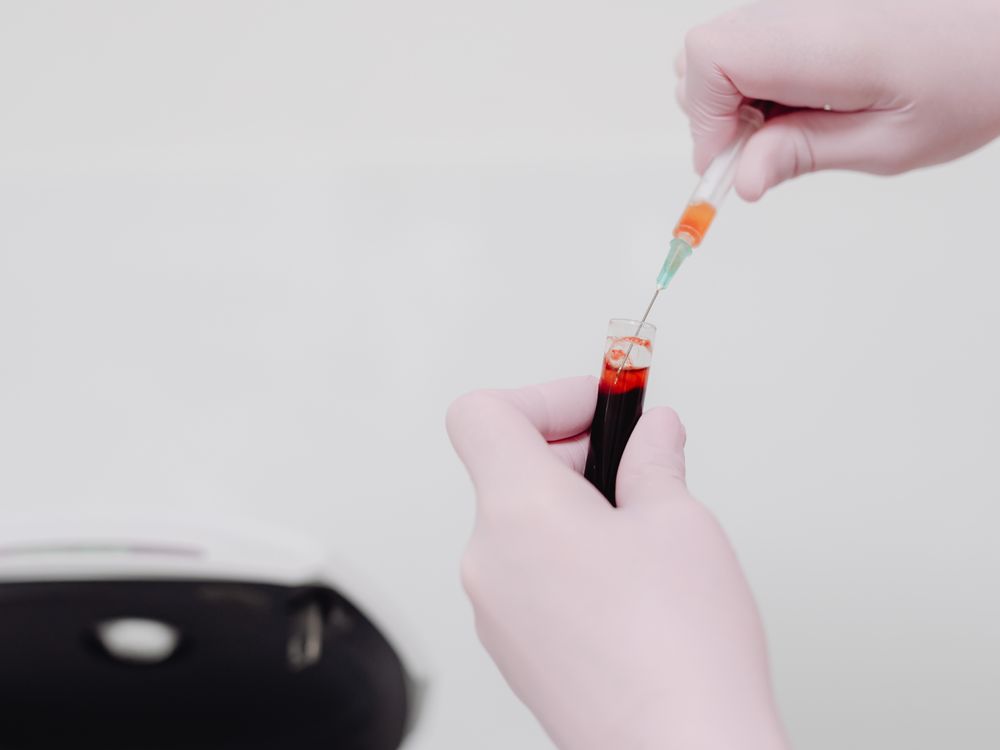
Key takeaways
- Hong Kong stepped up arrival checks on October 12: temperature screening at gates for Russia flights, 14-day Irkutsk travel-history declarations, and letters to all doctors and hospitals to report unexplained pneumonia in recent Irkutsk visitors.
- China's Hulunbuir CDC issued a plague-prevention notice on October 10 for travelers from Russia's Far East; it assesses local outbreak risk as low and has seen no human plague case since 1927.
- The WHO's position stands: the cause of death is unknown, no plague has been registered, and no ongoing transmission has been found, but a lab-associated exposure cannot be fully ruled out.
- No new case has been reported anywhere; Russia has wound down its internal measures; no Indian advisory exists.
- Pneumonic plague is highly treatable with early antibiotics; this story is about an unanswered question, not an active outbreak.
- For travelers: watch for fever or respiratory symptoms for 14 days after a visit, and always tell your doctor where you traveled.
Book tests from this article
Sample collected at home - free
- Complete Blood Count (CBC)
₹199₹59967% off
- C - Reactive Protein (CRP)
₹599₹79925% off
- Fever Profile
₹1,049₹1,39925% off
Free collection 24 hr reports
Two weeks after a 28-year-old laboratory technician died of severe pneumonia in Siberia, the story has moved from the laboratory to the region's borders and airports. On Monday, Hong Kong's health authorities announced stepped-up checks on arrivals from Russia. A few days earlier, health officials in Hulunbuir, a Chinese city on the Russian border, issued a plague-prevention advisory. And through all of it, the World Health Organization says it still does not know what killed Darya Shipilova.
If you read our first report on the Siberia plague scare, consider this the update we promised. Here is what changed since then, what did not, and what it means for you if you are reading this in Mumbai.
A quick recap, because this story keeps morphing
On October 2, Darya Shipilova, a laboratory technician at the Irkutsk Anti-Plague Research Institute of Siberia and the Far East, died in a hospital in Shelekhov after developing severe pneumonia. Early media reports pointed at pneumonic plague from an alleged lab exposure. Russia placed roughly 200 of her contacts under medical observation. The WHO asked Russia for details under the International Health Regulations and, based on what Russia shared, reported no plague case and no evidence of ongoing transmission. The cause of death remains officially unknown.
That is where our original piece ended, on October 11, with Thailand's disease control department confirming that contact-sample analyses had found no plague or other highly dangerous pathogens. Since then, the center of gravity has shifted outward.
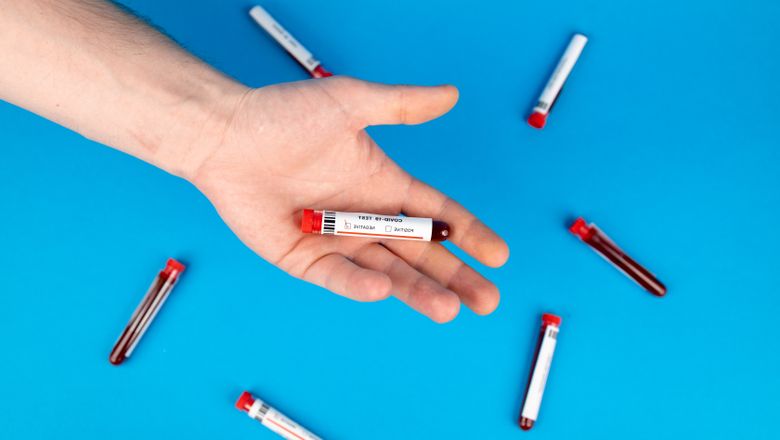
Hong Kong moves first: checks on arrivals from Russia
On Monday, October 12, Hong Kong's Centre for Health Protection (CHP) announced a series of measures aimed squarely at this incident. Health officers stepped up temperature checks at airport gates serving relevant flights from Russia. Announcements and signage in the arrivals area now ask anyone who visited Siberia's Irkutsk Oblast in the past 14 days to declare that travel history to Department of Health staff. Any traveler showing symptoms consistent with pneumonia gets transferred to a public hospital for testing after assessment by port health officers.
The clinical side got attention too. The CHP sent letters to every doctor and hospital in Hong Kong, reminding them to stay vigilant and report immediately any pneumonia of undetermined origin in a patient who visited the Irkutsk area within 14 days before symptoms began, so testing could be arranged. The Airport Authority and airlines were briefed with the latest case information, and flight crews were urged to enforce established prevention measures if a suspected case is identified mid-flight.
The CHP framed all of this as precaution. It said the immediate risk to Hong Kong was low and that it had received no reports of unexplained pneumonia among residents or travelers arriving from Russia. Hong Kong has run this playbook before, most recently through the pandemic years, and the logic is familiar: screen at the border, alert clinicians, watch and wait.
China's border city goes on plague alert
Three days before Hong Kong acted, on Saturday, October 10, the Hulunbuir Center for Disease Control and Prevention issued its own public advisory. Hulunbuir sits in China's Inner Mongolia region and shares a border with Russia's Far East. Its notice asked people arriving from plague-endemic areas in Russia to monitor their health closely, to report their travel history honestly, and to seek medical attention immediately if suspicious symptoms develop.
The advisory also carried a detail that puts the whole scare in perspective: Hulunbuir has not recorded a single human plague case since 1927. Routine rodent surveillance in recent years found no plague. The city's own risk assessment put the likelihood of a local outbreak at low. It issued the notice anyway, pointing to its long history as a natural plague focus area and the steady movement of people across the Russian border.
Hulunbuir was not acting in isolation. On October 8, the Manchuria disease control center held a formal risk-assessment meeting on the Irkutsk situation and concluded that monitoring, plus coordination with ports and customs, should be strengthened. On October 9, Hunan province, which does not border Russia at all, released public guidance on plague symptoms and prevention, emphasizing that early detection and early antibiotic use save lives. In Suifenhe, a major border crossing, disease control staff began daily public information work through WeChat messages, leaflets, and lectures.
China's first official comment on the incident came earlier, on October 6, when the Foreign Ministry said China and Russia maintain close communication and cooperation on infectious disease prevention and control, including plague. The two countries had held joint emergency-response exercises on cross-border infections just weeks earlier, in August, including scenarios involving the import of dangerous infections.
The rest of the region is watching too
Kazakhstan, Kyrgyzstan, and Uzbekistan stepped up precautionary measures at their borders with Russia during the first week of October. Mongolia announced health surveillance measures near its Russian border on October 7, assessing its own risk as low. The United States said it was monitoring the situation closely. The European Union called on Russia for timely and transparent reporting.
None of these countries is reporting illness. They are reporting readiness. That is an important distinction, and it is easy to lose in headlines. Border vigilance is not the same as an outbreak.
What the WHO is saying now
The WHO's latest substantive statement came on Saturday, October 10, and was reported widely the following day. Its position, in brief: the cause of the fatal pneumonia remains unknown. No case of plague has been registered. Tests on the worker and her contacts came back negative for the high-threat pathogens that were screened, more than 5,500 analyses in total. Her contacts developed no symptoms. No further severe pneumonia cases linked to the event have been found. Based on the information Russia provided, the WHO found no evidence of ongoing transmission.
The agency also said something worth reading carefully. It noted that it could not independently determine whether the reported monitoring period was sufficient to exclude every plausible cause of illness, and that a laboratory-associated exposure could not be fully ruled out at this stage, though the information provided did not identify a laboratory incident. The WHO said it would continue monitoring and advised no restrictions on travel or trade related to the case.
That is a careful sentence, not an accusation. It says: without a confirmed diagnosis, and without independent access to the underlying test data, outside experts cannot fully exclude any route of exposure. It is a statement about the limits of evidence, and it is why the WHO keeps asking Russia for the data behind the summaries.
What has not changed
Let us be clear about what this update is not. No new case has been reported anywhere in the world. No second pneumonia case has been confirmed. Russia has not released new test data. The cause of death is still unknown. The contact quarantines are over, and Russia's internal precautionary measures have been wound down.
What has changed is the geography of the response. Two of Asia's busiest travel regions have decided that an unresolved question in Siberia deserves a concrete answer at their borders. That is new, and it is the reason for this update.
What this means if you are in Mumbai
First, the direct answer: there are no plague cases in India connected to this story, and no Indian authority has issued any advisory about it. The central government, the ICMR, and Mumbai's civic health department have all stayed quiet on this one. Quiet is the right posture when there is no evidence of spread, and nothing in the last 72 hours changes that.
Second, travel. Direct traffic between Mumbai and Irkutsk is effectively zero, but Mumbai flies everywhere, and onward connections are how these things travel. If you or someone in your family visits Russia, the guidance is the same sensible set that Hong Kong and Hulunbuir are now enforcing: watch for fever or respiratory symptoms for 14 days after the visit, and if you seek care, tell the doctor exactly where you traveled. A travel history is one of the cheapest and most useful diagnostic clues in medicine. It costs nothing to give and it can change a diagnosis.
Third, do not confuse coverage with risk. This story is getting attention because a young woman died in a plague laboratory and nobody can say why, not because anyone is sick today. Indian media covered the scare in detail. Coverage is not the same as risk.
If you come home with an unexplained fever, get a real workup
Fever after travel deserves a systematic workup, not a search spiral. In Mumbai, the practical first steps are a complete blood count and inflammatory markers such as CRP, which tell a doctor how significant the infection looks. A fever profile bundles the common culprits into one draw, and targeted tests such as the malaria antigen test or the dengue NS1 antigen test answer specific questions fast.
None of these is a plague test, and you do not need one. The point is narrower: an unexplained fever deserves a proper laboratory workup, and your travel history is part of that workup. If the common causes come back negative and the fever persists, that is the point where a doctor widens the net, not the point where you panic. You can browse the full tests page if you are deciding what to book.
Why everyone acts when the official risk is low
Here is the honest question this update raises: if the WHO says the risk is low and nobody is sick, why are Hong Kong and a Chinese border city acting at all?
The short answer is that public health acts on uncertainty, not just on body counts. Pneumonic plague, the form everyone worried about here, spreads from person to person through respiratory droplets and can turn fatal quickly without treatment. It is also highly treatable when caught early with antibiotics. That combination, dangerous but curable, plus an unanswered question about a lab worker who handled the bacterium, is exactly the profile that triggers border vigilance. The WHO said it plainly: a key uncertainty remains the absence of a confirmed diagnosis.
There is also a post-COVID reflex at work. Since the pandemic began with a cluster of unexplained pneumonias, every similar cluster now gets maximum attention from health agencies and the press. That vigilance is a feature, not a bug. But it means the first response will sometimes look bigger than the evidence. Hong Kong's own statement made the calibration explicit: act firmly, and say out loud that the immediate risk is low.
Where this goes next
The story now hinges on two things: whether Russia shares the underlying test data the WHO keeps asking for, and whether any new case appears anywhere in the world. Until one of those happens, expect more of the same: watchful borders, quiet hospitals, and an unanswered question in Siberia.
We will keep following it. If the WHO publishes a fuller assessment, if Russia releases test data, or if any health authority in India issues guidance, we will update and publish a follow-up.
References
WHO: Disease Outbreak News and media statements on the Irkutsk fatal pneumonia case, October 2026 South China Morning Post: "Hong Kong steps up Russia arrival checks after Siberian lab worker's death" Bangkok Post: "Hong Kong steps up Russia arrival checks after Siberian lab worker's death" Hong Kong Free Press: "HK enacts checks for arrivals from Russia after mystery lab death" China Daily: "Public advisory on plague issued in Hulunbuir" Yonhap News / NOCUTNEWS: "Russia's suspected plague case prompts warning in Hulunbuir, Inner Mongolia" The Hindu: "Moscow denies sanitary measures over plague reports"
Book these tests at home
Live prices · free home sample collection in Malad, Kandivali, Borivali & Goregaon
Complete Blood Count (CBC)
- Report in 12 hrs
- Free home collection
C - Reactive Protein (CRP)
- Report in 12 hrs
- Free home collection
Fever Profile
- Report in 48 hrs
- Free home collection
Malaria Antigen Test
- Report in 12 hrs
- Free home collection
Dengue NS1 Antigen
- Report in 12 hrs
- Free home collection
More tests related to this topic
Other Anemia tests you can book with free home sample collection.
Iron Studies
- Report in 24 hrs
- Free home collection
Alpha thalassemia gene analysis
- Report in 168 hrs
- Free home collection
Beta - Thalassemia Screenig
- Report in 24 hrs
- Free home collection
Beta - Thalassemia Screenig with Graph
- Report in 24 hrs
- Free home collection
CBC & Pheripheral Blood Smear
- Report in 48 hrs
- Free home collection
CBC - Complete Hemogram Test(28)
- Report in 12 hrs
- Free home collection
Ferritin
- Report in 24 hrs
- Free home collection
G6PD (Glucose - 6 - Phosphate Dehydrogenase) EDTA Whole Blood
- Report in 12 hrs
- Free home collection
Haptoglobin Serum
- Report in 24 hrs
- Free home collection
Hemoglobin
- Report in 24 hrs
- Free home collection
Hemoglobin - Free, Urine
- Report in 24 hrs
- Free home collection
Hemoglobinopathies Profile - HbF/HbS
- Report in 48 hrs
- Free home collection
Get more from the same visit
Health packages that already include these tests, and tests people usually add.
Frequently asked questions
Has the cause of the lab worker's death been confirmed?
No. The WHO said on October 10-11 that the cause of the fatal pneumonia remains unknown, though no plague or other tested high-threat pathogens were found in the worker or her contacts.
Why are Hong Kong and China acting if the WHO says the risk is low?
Public health systems act on uncertainty. An unresolved fatal pneumonia linked to a plague research institute is exactly the profile that triggers border vigilance, even without evidence of spread.
Is there any advisory from the Indian government?
No. Neither the central government, the ICMR, nor Mumbai's civic health department has issued any advisory about this incident, and there are no India cases.
Should I change travel plans to Russia?
The WHO advises no travel or trade restrictions related to this event. Normal travel precautions apply; the specific ask is to watch for symptoms for 14 days after a visit and disclose travel history if you fall ill.
What symptoms should I watch for after traveling?
High fever, chills, cough or breathing difficulty, and swollen lymph nodes. If any of these appear within two weeks of travel to a risk area, seek medical care promptly and mention where you traveled.
Is pneumonic plague treatable?
Yes. Caught early and treated with antibiotics, recovery rates are high. It is the late-diagnosed, untreated cases that turn fatal.
What tests should I get for an unexplained fever after travel?
Start with a CBC and inflammatory markers like CRP; a fever profile covers common causes, and malaria antigen or dengue NS1 tests answer specific questions. Your doctor decides the sequence.
Could this reach India?
There is no evidence of ongoing transmission anywhere, and the WHO assesses the wider risk as low. Watch for official guidance, not rumors.
Why does the WHO say a lab exposure 'cannot be fully ruled out'?
Because the diagnosis is missing. Without a confirmed cause of death and without independent access to the underlying test data, outside experts cannot fully exclude any exposure route. It is a statement about evidence, not an accusation.
Where can I read the original timeline of the scare?
Our first report covers the full timeline from September 29 through October 11: https://hwpdiagnostic.com/blog/siberia-plague-scare-irkutsk-lab/
HWP Diagnostic Editorial Team
Health guides written by the team at HWP Diagnostic, Mumbai, to help you understand your tests before you book. This article is for general education and is not a substitute for medical advice - reference ranges vary between labs, so always discuss your results with your doctor. Read our editorial policy. Photos: Pexels.