Key takeaways
- Tumor markers monitor known disease; they do not screen healthy people.
- PSA is the only cancer marker worth a real conversation with your doctor, around 45 to 50.
- A high marker does not mean cancer, and a normal marker does not rule it out.
- The proven early-detection tools remain bowel screening, family history, and reporting symptoms.
Book tests from this article
Sample collected at home - free
- PSA Total (Prostate Marker)
₹1,049₹1,89945% off
- Cancer Detection Panel - Male
₹4,149₹5,49925% off
Free collection 24 hr reports
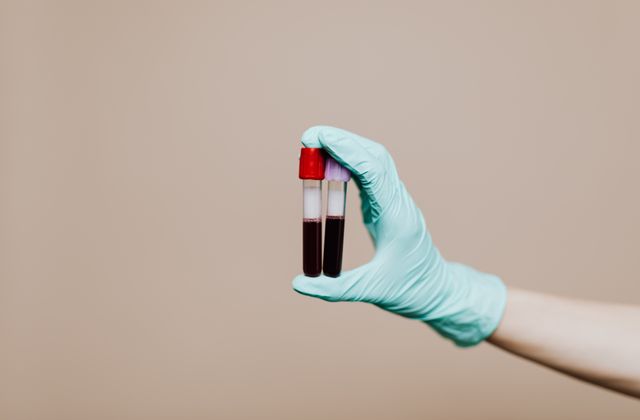
Most men who book a full body checkup in Mumbai ask the same question at our counter: should I add a cancer screening blood test to it? The panels exist and the idea sounds reassuring. But here is the honest answer, worth reading before you spend the money: tumor marker blood tests are built to monitor a cancer that is already known, not to screen healthy people. The one genuine exception is PSA, and even that starts with a conversation, not a test.
PSA: the one marker men actually get tested for
PSA, the prostate-specific antigen, is the only cancer marker that guideline bodies seriously discuss as a screening test for men. And they are careful about it.
The U.S. Preventive Services Task Force says men between 55 and 69 should make an individual decision about PSA testing after talking through the benefits and risks with their doctor, and that men over 70 should not be screened routinely. The American Cancer Society puts the conversation earlier: starting at 50 for average-risk men, 45 if the risk is high, 40 for the very high-risk. The American Urological Association suggests a baseline PSA between 45 and 50. The ages differ, but every guideline agrees on the shape of the decision: it is made with a doctor, not by a checkbox on a checkup form.
The caution exists for a reason. PSA rises in prostate cancer, but also in benign prostate enlargement and prostate inflammation. A high number is a signal to look closer, never a verdict. Doctors sometimes check free PSA alongside total PSA when the total sits in the gray zone, which helps decide who needs a biopsy.
Getting a PSA blood test
Do: have the talk first. Know your family history and what you would actually do with the result before the needle goes in. A test you would not act on is just a worry you paid for.
Don't: read the report like a verdict. A slightly raised PSA is common; a calm retest beats a panic-driven scan booked on your own.
More detail lives in our PSA testing after 50 guide; the test itself is PSA Total (Prostate Marker).
The markers inside most men's cancer panels
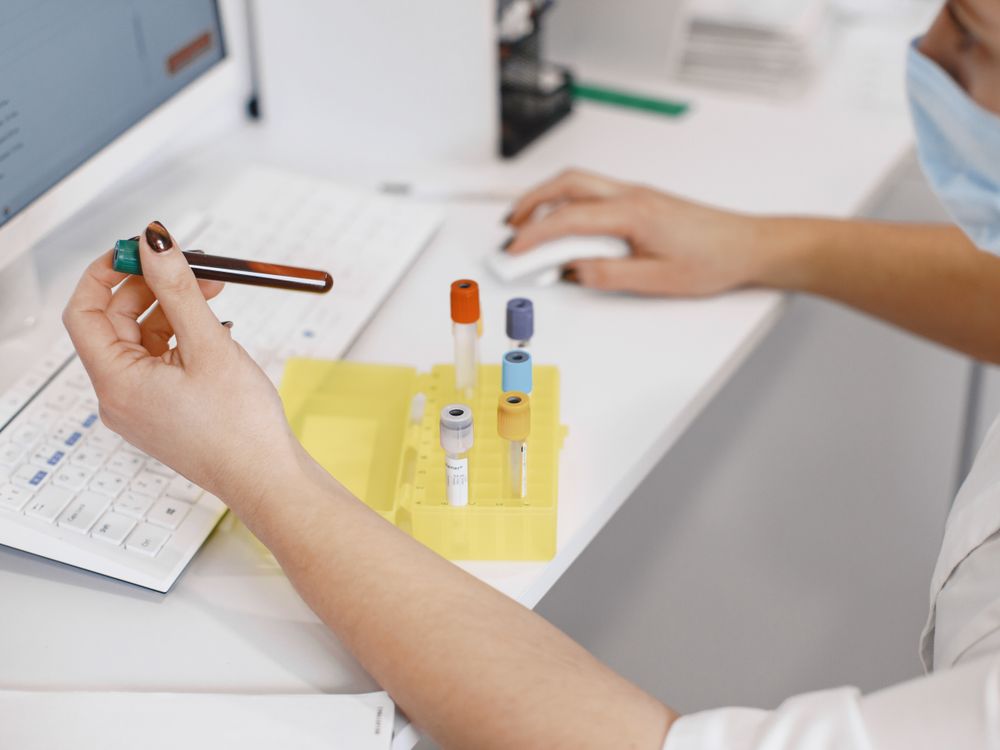
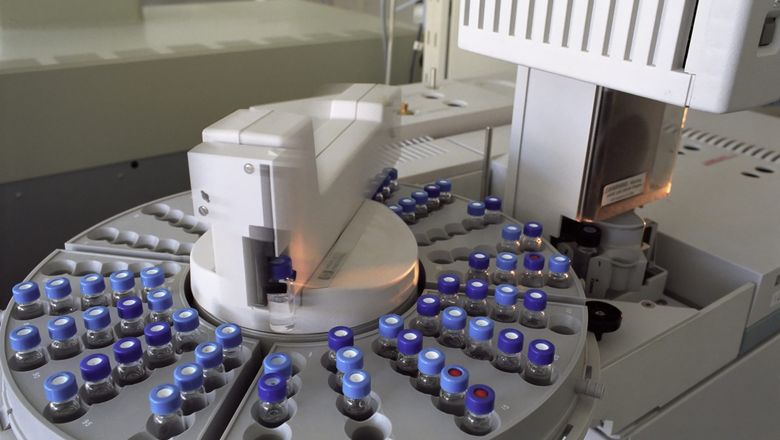
A men's cancer panel like our Cancer Detection Panel - Male bundles a few of the classic tumor markers into one blood draw. Each has a real job. Screening healthy people is not it.
CEA (carcinoembryonic antigen) is the colorectal cancer marker. Mayo Clinic Laboratories states it plainly: CEA is useful for monitoring colorectal cancer and checking how treatment is working, and it is not useful for screening the general population. Smokers often run mildly high, and liver or bowel inflammation can lift it too. Most healthy nonsmokers sit at or below 3.0 ng/mL. (Ranges vary by laboratory, so your report's own range is the one that counts.)
CA 19-9 is the pancreatic cancer marker. It is not a screening test either. Doctors use it to track known pancreatic cancer and watch for recurrence after treatment. It also rises with gallstones, pancreatitis and bile-duct infections, and about five in every hundred people do not produce the antigen at all. Its usual reference sits under 35 U/mL.
AFP (alpha-fetoprotein) watches over liver cancer in high-risk patients and certain testicular tumors. It is not a general screening test either; we covered it properly in our AFP blood test guide.
Each of these markers can be genuinely useful. They are just useful in the wrong context when they are sold as general cancer screening.
Why a normal report proves nothing either way
This is the part nobody mentions when a package brochure promises "early detection". These markers miss cancers and they flag non-cancers, and both directions cause harm.
A normal CEA or CA 19-9 does not mean there is no cancer. Plenty of early cancers never raise a marker at all, so a normal report can buy false reassurance and delay the tests that actually work. On the other side, a slightly raised marker in a healthy man sets off a chain we see at our counter often: anxiety, then a CT scan, then a repeat test, then more scans, all for a number that meant nothing.
These markers make sense after a diagnosis, to track treatment and catch recurrence; in high-risk surveillance, like AFP plus ultrasound for someone with cirrhosis; or on a doctor's advice for a specific symptom.
What a man after 40 should actually do instead
If the goal is catching cancer early, the proven tools are unglamorous and they work. Bowel cancer screening, for instance: a simple FIT stool test from age 45 onward has far better evidence behind it than any tumor marker bundle. Have the PSA conversation with your doctor around 45 to 50, earlier if prostate cancer runs in your family. Know your family history of all cancers. And report real symptoms, like blood in stool or a new lump, instead of hoping a blood panel will catch them.
If your doctor does want markers for a reason, getting them done is easy. It is one blood draw, the cotton ball taped to your arm, and the report lands in about 24 hours. We collect samples at home for free across Malad, Kandivali, Borivali and Goregaon, and the lab runs 24x7. Book on 84250 40353 or pick up the Cancer Detection Panel - Male directly, and browse our full test list or health packages.
Three things to carry home: tumor markers monitor known disease, they do not screen healthy people. PSA is the one marker worth a real conversation with your doctor, starting somewhere between 45 and 50. And the most useful cancer screening a man can do is still the boring stuff: the bowel test, the family history, and telling a doctor about the symptom you noticed.
References
Mayo Clinic Laboratories: Carcinoembryonic Antigen (CEA), Serum test catalog entry Mayo Clinic Laboratories: Alpha-Fetoprotein (AFP) Tumor Marker, Serum test catalog entry U.S. Centers for Disease Control and Prevention: Screening for Prostate Cancer American Cancer Society: Prostate Cancer Screening Guidelines (via Medscape) Medscape: CA 19-9: Reference Range, Interpretation, Collection and Panels
Book these tests at home
Live prices · free home sample collection in Malad, Kandivali, Borivali & Goregaon
PSA Total (Prostate Marker)
- Report in 24 hrs
- Free home collection
Cancer Detection Panel - Male
- Report in 48 hrs
- Free home collection
More tests related to this topic
Other Cancer tests you can book with free home sample collection.
Alpha Feto Protein (AFP)
- Report in 24 hrs
- Free home collection
Arthritis Screen Profile (4 Marker)
- Report in 48 hrs
- Free home collection
Beta 2 Microglobulin
- Report in 24 hrs
- Free home collection
Bone Resorption Markers
- Report in 24 hrs
- Free home collection
Brain tumour
- Report in 24 hrs
- Free home collection
CA 125 (Ovarian Marker)
- Report in 24 hrs
- Free home collection
CA 19-9 (Pancreatic Marker)
- Report in 24 hrs
- Free home collection
CA 19.9
- Report in 24 hrs
- Free home collection
CA 72.4
- Report in 24 hrs
- Free home collection
CA125
- Report in 24 hrs
- Free home collection
CA15.3
- Report in 24 hrs
- Free home collection
Calcitonin
- Report in 24 hrs
- Free home collection
Get more from the same visit
Health packages that already include these tests, and tests people usually add.
Frequently asked questions
Is there one blood test that screens for all cancers in men?
No. No single blood test screens for every cancer, and most tumor markers miss early cancers while flagging benign conditions.
My CEA came back slightly high. Does that mean I have cancer?
Not necessarily. Smoking and liver or bowel inflammation can all raise CEA mildly. Your doctor will read it with your history and usually repeat it before any scans.
At what age should a man start PSA testing?
Guidelines suggest discussing it around 45 to 50 for average risk, earlier with family history, and 55 to 69 per the USPSTF. Your doctor personalizes the call.
Can I just add tumor markers to my yearly full body checkup?
You can, but most healthy men gain little and often get anxiety instead. Ask your doctor first whether any marker would change what you do next.
Do cancer marker blood tests need fasting?
Usually no special preparation is needed for tumor-marker blood draws, but always follow the instructions your doctor or lab gives you.
HWP Diagnostic Editorial Team
Health guides written by the team at HWP Diagnostic, Mumbai, to help you understand your tests before you book. This article is for general education and is not a substitute for medical advice - reference ranges vary between labs, so always discuss your results with your doctor. Read our editorial policy. Photos: Pexels.